
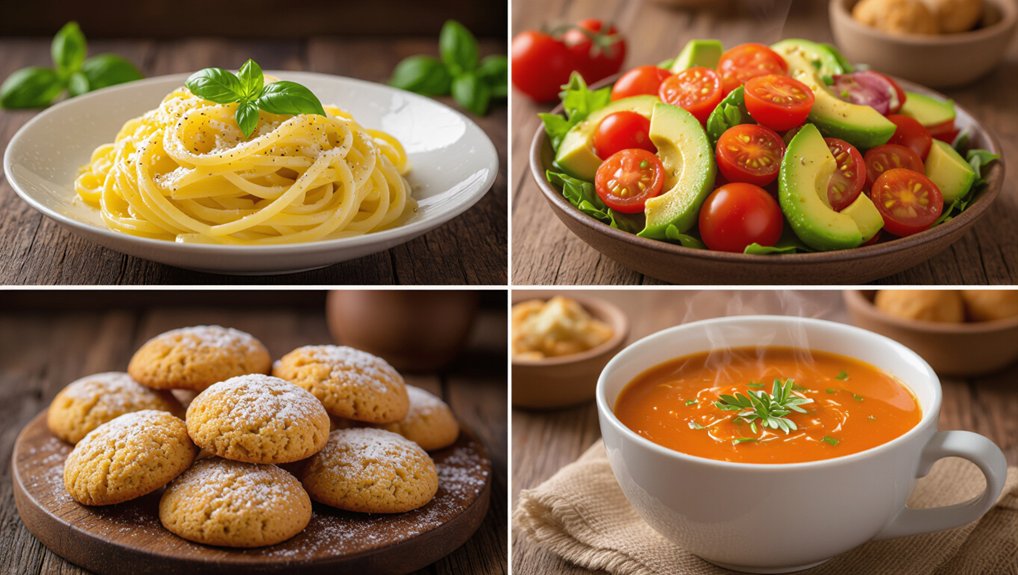
Creating a collage of four easy homemade recipes can be a rewarding project. You’ll want to start by selecting a theme that resonates with your culinary interests. Gather your visuals and think about layout options, whether on poster board or digitally. To truly engage your audience, consider adding cooking tips or notes. But before you dive in, let’s explore the essential cooking staples that will elevate your dishes and make your collage stand out.
Homemade Recipe Collage Overview
Creating a homemade recipe collage can be a fun and rewarding way to showcase your culinary creations. You’ll want to gather a variety of your favorite recipes, whether they’re passed down from family or inspired by your own experimentation.
Start by selecting a theme—perhaps seasonal dishes, family favorites, or quick weeknight meals.
Next, choose a layout that appeals to you, using a poster board or digital platform. Add visuals, like photos of your dishes or colorful illustrations, to make it pop.
Don’t forget to include brief notes or tips for each recipe, making it not just a collage, but a helpful resource.
This project allows you to celebrate your cooking journey while inspiring others to try your delicious dishes!
Essential Cooking Staples
When you’re stocking your kitchen, having the right essentials makes all the difference.
Key pantry items and flavor enhancers can elevate your cooking and simplify meal prep.
Let’s explore what you need to keep on hand for delicious homemade dishes.
- Olive oil
- Garlic
- Canned tomatoes
Key Pantry Essentials
Having a well-stocked pantry is essential for whipping up delicious meals without a last-minute trip to the store.
To make cooking easier and more enjoyable, keep these key essentials on hand:
- Grains: Rice, pasta, and quinoa are versatile bases for many dishes.
- Canned Goods: Beans, tomatoes, and broth provide quick solutions for hearty meals.
- Oils and Vinegars: Olive oil, vegetable oil, and balsamic vinegar are fundamental for cooking and dressing.
With these staples, you can create countless recipes and adapt to whatever you might be craving.
Remember, a well-prepared pantry not only saves you time but also sparks creativity in the kitchen.
Stock up, and you’ll always be ready to whip up something delicious!
Flavor Enhancers
To elevate your dishes, you’ll want to keep a selection of flavor enhancers in your kitchen. These staples can transform ordinary meals into extraordinary experiences.
Here are three must-have items:
- Garlic: Fresh or powdered, garlic adds depth and richness to any dish.
- Soy Sauce: This umami-rich condiment enhances flavors, especially in stir-fries and marinades.
- Lemon Juice: A splash of acidity brightens up flavors and balances richness.
Having these in your pantry will allow you to experiment and create bold flavors effortlessly.
Don’t hesitate to mix and match; the right enhancer can truly make your meals shine.
With just a few tweaks, you’ll impress family and friends with your culinary skills!
Detailed Cooking Instructions
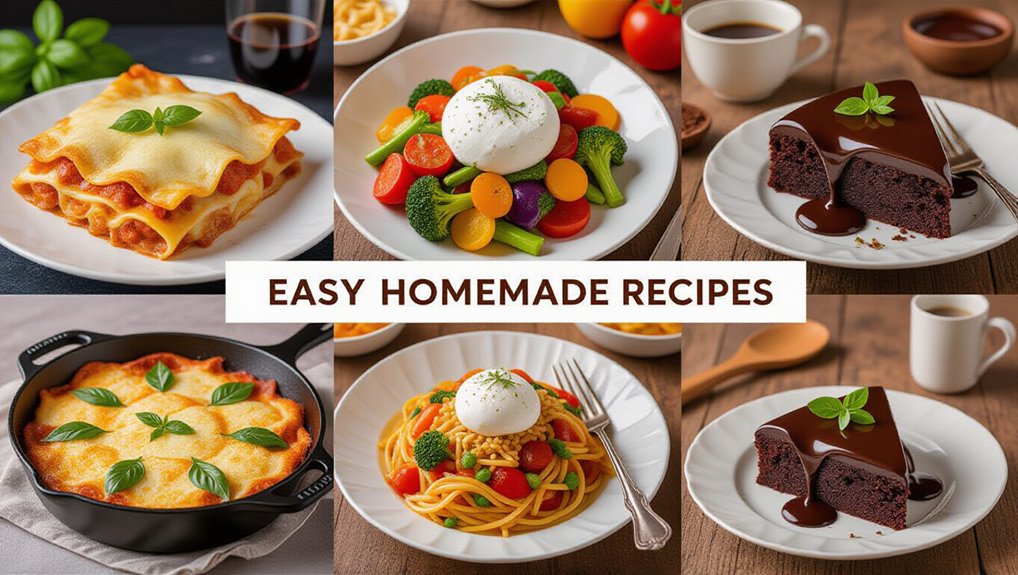
When you start cooking, having your ingredients ready makes all the difference.
Sauté your vegetables until they’re tender for the best flavor, and don’t forget to finish with a sprinkle of fresh herbs.
These simple steps elevate your dish and make the process enjoyable.
Ingredient Readiness Steps
Getting your ingredients ready is crucial for a smooth cooking experience. When you prep ahead, you’ll save time and avoid unnecessary stress.
Start by gathering all your ingredients in one place. This way, you won’t have to scramble around looking for something mid-recipe.
Next, measure everything out before you begin cooking. This ensures you have the right amounts and limits interruptions while you’re focused on the task.
Finally, wash and chop your veggies or proteins as needed.
- Gather all ingredients in one spot
- Measure everything accurately
- Wash and chop as necessary
Sauté Vegetables Until Tender
Sautéing vegetables until tender transforms their flavors and textures, making them the perfect complement to any dish.
Start by selecting your favorite veggies—bell peppers, zucchini, and onions work well. Heat a bit of olive oil in a pan over medium heat. Once the oil’s shimmering, add your chopped vegetables. Stir frequently to ensure even cooking. After about 5-7 minutes, check for tenderness.
- Use fresh, seasonal vegetables for the best flavor.
- Don’t overcrowd the pan; work in batches if necessary.
- Season lightly with salt and pepper to enhance taste.
Once they’re tender, remove them from the heat. Enjoy your perfectly sautéed veggies as a side or mixed into your main dish!
Garnish With Fresh Herbs
Garnishing with fresh herbs elevates your dish, adding vibrant color and a burst of flavor that can transform even the simplest meals.
Whether you’re finishing a pasta, soup, or salad, a sprinkle of herbs makes a big difference. Here’s how to do it:
- Choose the right herbs: Opt for basil, cilantro, or parsley based on your dish’s flavor profile.
- Chop or leave whole: For a delicate touch, leave herbs whole; chop them for a more intense flavor.
- Add at the right time: Garnish just before serving to preserve freshness and color.
Ingredient List and Measurements
“`html
Homemade Recipe
A delightful homemade recipe that’s easy to follow and sure to impress!
Ingredients:
- 2 cups all-purpose flour
- 1 cup granulated sugar
- 1/2 cup butter, softened
- 2 large eggs
- 1 cup milk
- 1 tablespoon baking powder
- 1 teaspoon vanilla extract
- 1/2 teaspoon salt
Instructions:
- Preheat the oven to 350°F (175°C).
- In a large bowl, cream together the butter and sugar.
- Add the eggs one at a time, mixing well after each addition.
- Stir in the milk and vanilla extract.
- In a separate bowl, mix the flour, baking powder, and salt.
- Gradually add the dry ingredients to the wet ingredients, mixing until just combined.
- Pour the batter into a greased baking dish.
- Bake for 30 minutes or until a toothpick comes out clean.
“`
Use Fresh, Seasonal Ingredients
Using fresh, seasonal ingredients can transform your homemade recipes into something truly special. Not only do they taste better, but they also offer numerous benefits for your health and the environment.
Let’s explore how to select the best seasonal produce and why it matters.
- Enhances flavor for more delicious dishes
- Supports local farmers and economy
- Maximizes nutritional value of ingredients
Benefits Of Seasonal Produce
Embracing seasonal produce not only enhances the flavor of your dishes but also supports your health and local farmers. When you choose fruits and vegetables in season, you’re getting the freshest options packed with nutrients. These ingredients often contain more vitamins, minerals, and antioxidants, boosting your overall well-being.
Plus, seasonal produce tends to be less expensive because it’s abundant, making it easier on your wallet.
You’ll also enjoy a wider variety of flavors throughout the year, as each season brings unique offerings. By eating with the seasons, you reconnect with nature’s rhythm and discover new recipes that celebrate the bounty around you.
Supporting local farmers helps sustain your community and reduces the environmental impact of transporting food long distances.
Seasonal Ingredients Availability Calendar
To enjoy the freshest flavors and maximize your health benefits, it’s essential to know what ingredients are in season each month.
Seasonal produce not only tastes better but also offers more nutrients.
In winter, think hearty root vegetables like carrots and potatoes.
Spring brings vibrant greens such as spinach and asparagus.
In summer, indulge in juicy tomatoes and berries.
Fall is the time for squashes and apples.
Tips For Fresh Selection
Knowing which ingredients are in season sets the stage for making fresh selections. When you shop, focus on local farmers’ markets or grocery stores that emphasize seasonal produce. This not only supports local agriculture but also ensures you’re getting the freshest options available.
Look for vibrant colors and firm textures—these are signs of freshness. Don’t shy away from trying new fruits and vegetables; seasonal varieties often come with unique flavors and benefits.
When you choose seasonal ingredients, your dishes will taste better and offer more nutrients. Plus, they can be more affordable since they’re abundant.
Caloric Breakdown Per Serving
Understanding the caloric breakdown per serving is crucial for anyone looking to maintain a balanced diet. Knowing how many calories you’re consuming helps you make informed choices.
Here’s a simple breakdown of common ingredients:
| Ingredient | Calories per Serving |
|---|---|
| Olive Oil (1 tbsp) | 120 |
| Chicken Breast (3 oz) | 140 |
| Quinoa (1 cup cooked) | 220 |
| Broccoli (1 cup) | 55 |
Overcooking Key Ingredients
While it might seem harmless, overcooking key ingredients can significantly alter their flavor and nutritional value. You might think that cooking them longer enhances taste, but it often leads to mushy textures and loss of essential nutrients. To keep your dishes vibrant and delicious, pay attention to cooking times.
- Vegetables lose their crunch and vibrant colors when overcooked.
- Proteins can become tough and dry, making them less enjoyable.
- Herbs and spices lose their potency, diminishing the overall flavor of your dish.
Swap Proteins for Variety
Switching up your proteins can really transform your meals.
Try adding nuts for a satisfying crunch or sprinkle in some spices to elevate the flavor.
You’ll be amazed at how these simple swaps can make your dishes feel fresh and exciting!
Add Nuts for Crunch
Adding nuts to your recipes not only boosts crunchiness but also enhances flavor and nutrition. They’re a fantastic way to elevate your dishes while providing healthy fats and protein.
Whether you’re tossing them into salads, baking them into desserts, or mixing them into savory meals, nuts add a satisfying texture that keeps things interesting.
Consider these options when adding nuts:
- Almonds: Great for a sweet crunch in granola or yogurt.
- Walnuts: Perfect for adding depth to salads or oatmeal.
- Pecans: Delicious in both sweet and savory dishes, lending a buttery richness.
Add Spices for Flavor
Nuts can provide a delightful crunch, but spices are your secret weapon for infusing dishes with bold flavors. By swapping proteins and adding spices, you can easily transform a meal.
Experimenting with different spice blends not only elevates taste but also keeps your meals exciting.
- Start with a base of garlic and onion for depth.
- Explore herbs like basil or cilantro for freshness.
- Try warming spices such as cumin or paprika for a cozy twist.
Don’t hesitate to mix and match spices based on what you have. This approach not only enhances flavor but also gives you the freedom to use whatever protein you prefer, keeping your meals diverse and satisfying.
Enjoy the adventure of seasoning!
Common Cooking Inquiries
When you’re in the kitchen, you probably have questions that pop up often.
Whether you need to master essential techniques, find easy ingredient substitutions, or avoid common mistakes, we’ve got you covered.
Let’s tackle these cooking inquiries to make your homemade meals even better!
Essential Cooking Techniques Explained
Cooking can feel overwhelming, especially if you’re unsure of the techniques that can elevate your dishes. Mastering a few essential techniques can boost your confidence and transform your meals.
Start with chopping; practice your knife skills to create uniform pieces, which ensures even cooking. Next, learn how to sauté—this method adds flavor and texture to your ingredients quickly.
Don’t forget about simmering; it’s perfect for developing rich flavors in soups and sauces. Roasting is another essential technique; it caramelizes vegetables and meats, enhancing their natural sweetness.
Lastly, familiarize yourself with baking basics—understanding how ingredients react can lead to delicious results. By honing these skills, you’ll find cooking becomes more enjoyable and rewarding.
Ingredient Substitutions Made Easy
Finding the right ingredient can sometimes feel like a puzzle, especially if you’re missing something crucial for your recipe. Don’t worry; you can easily swap out ingredients without sacrificing flavor.
For instance, if you’re out of eggs, try applesauce or mashed bananas for binding. Running low on sugar? Use honey or maple syrup in a pinch.
Need a dairy alternative? Almond milk or coconut milk works just as well. If a recipe calls for specific herbs, feel free to use dried versions or even different herbs that complement your dish.
Experimenting with substitutes not only saves you a trip to the store but can also lead to delicious new variations. Embrace the creativity and enjoy your cooking!
Common Mistakes to Avoid
Even the most seasoned cooks can overlook simple details that lead to culinary mishaps. One common mistake isn’t reading the recipe thoroughly before starting. This can lead to missing crucial steps or ingredients.
Additionally, using the wrong measuring tools can throw off your dish; be sure to use dry measuring cups for solids and liquid measuring cups for liquids.
Another pitfall is cooking at the wrong temperature, which can result in unevenly cooked food. Don’t forget to taste as you go, too; seasoning should be adjusted throughout the cooking process.
Lastly, neglecting to prep ingredients beforehand can make the cooking experience chaotic. By avoiding these mistakes, you’ll create a smoother and more enjoyable cooking experience.
Embrace Creativity in Cooking
While exploring the world of flavors, you can unlock your culinary potential by embracing creativity in cooking.
Experiment with ingredients you love, mixing and matching to discover unique combinations. Don’t be afraid to step outside traditional recipes; a pinch of this and a splash of that can lead to delightful surprises.
Try using seasonal produce or leftovers to inspire new dishes—your fridge is a treasure trove!
Play with textures and colors, making your meals not just tasty but visually appealing too.
Remember, cooking isn’t just about following rules; it’s an art form. Trust your instincts, and let your imagination guide you.
Every dish you create is an opportunity to express yourself and share joy with others.
Happy cooking!
Frequently Asked Questions
How Can I Organize My Recipe Collage Visually?
To organize your recipe collage visually, group similar dishes together, use color-coded sections, and incorporate clear headings. Balance images and text, ensuring everything’s easy to read. Don’t forget to add decorative elements for flair!
What Materials Do I Need for a Recipe Collage?
You’ll need scissors, glue, a base like cardboard or poster board, printed recipes or images, markers for labeling, and decorative elements like stickers or washi tape to personalize your collage and make it visually appealing.
Can I Include Non-Food Items in My Collage?
Absolutely, you can include non-food items in your collage! Think about using kitchen tools, herbs, or even vibrant colors and textures that evoke the cooking experience. It’ll add character and depth to your creation.
How Do I Share My Recipe Collage Online?
You can share your recipe collage online by uploading it to social media platforms, sending it via email, or using file-sharing services. Just make sure to tag friends or use relevant hashtags for wider reach!
What Are the Best Themes for a Recipe Collage?
Bright colors, seasonal ingredients, or family traditions make great themes for your recipe collage. You could also focus on specific cuisines, meal types, or dietary preferences to make it visually engaging and relatable for your audience.
Conclusion
Creating a collage of four easy homemade recipes is a fun and creative way to share your cooking skills. By using fresh, seasonal ingredients and adding personal touches, you’ll inspire others to try new dishes. Don’t forget to include helpful tips and variations for each recipe. Remember, cooking is all about experimenting and enjoying the process, so let your creativity shine. Your collage will not only look great but also serve as a handy guide for delicious meals!