
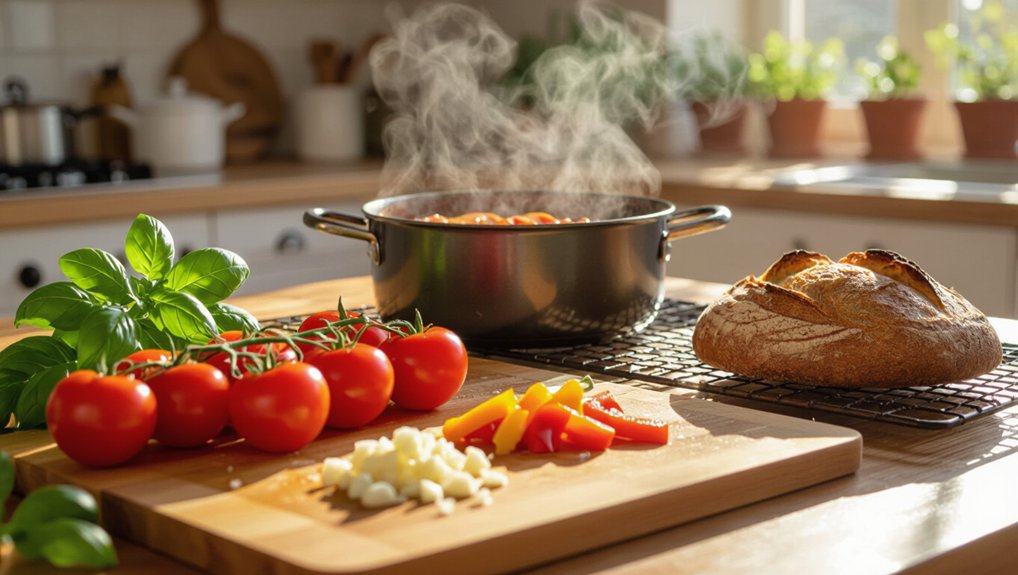
Creating delicious food moments starts with understanding flavor layering. You’ll want to build a solid foundation using fresh ingredients and aromatics. As you cook, keep tasting and adjusting to find that perfect balance. But it’s not just about the flavors; the presentation matters too. Curious how to elevate your dishes and fully appreciate each bite? Let’s explore the essential techniques that make every meal memorable.
What Is Flavor Layering?
When it comes to cooking, many home chefs may not realize the magic of flavor layering. This technique involves building complex flavors by adding ingredients in stages.
Start with a base—like onions and garlic—then add proteins, vegetables, and liquids, allowing each element to shine. As you layer, think about how flavors will interact; for instance, a splash of acidity can brighten a dish, while a touch of sweetness can balance it.
Don’t forget about seasoning at each step; this ensures your food has depth and richness. By layering flavors thoughtfully, you create a more satisfying and memorable meal.
Embrace this approach, and you’ll elevate your cooking, transforming simple dishes into extraordinary culinary experiences.
Fresh Herbs and Spices
Fresh herbs and spices can truly elevate your dishes, adding both essential flavors and beautiful garnishes.
You’ll be amazed at how a sprinkle of these vibrant ingredients can transform your meals. Here are some key points to keep in mind:
- Enhance flavor profiles
- Brighten up your dish’s appearance
- Complement main ingredients
- Add freshness and aroma
- Create a memorable dining experience
Essential Flavor Components
While diving into the world of flavor, you’ll quickly discover that fresh herbs and spices are the backbone of any delicious dish.
These essential components enhance your meals, bringing out the best in every ingredient. To make your dishes pop, consider these tips:
- Basil: Perfect for Italian dishes, adding a sweet, aromatic touch.
- Cilantro: Brightens up salsas and curries with its fresh, zesty flavor.
- Thyme: Offers an earthy, subtle note that complements meats and vegetables.
- Chili Flakes: Adds heat and a kick to your favorite recipes.
- Rosemary: Its piney aroma works wonders with roasted dishes.
Experiment with these herbs and spices to elevate your cooking and create memorable flavors that everyone will love!
Garnishes for Enhanced Presentation
Elevating your dish doesn’t stop at flavor; presentation plays a key role in creating memorable food moments. Fresh herbs and spices are your best friends for garnishing. They not only enhance visual appeal but also add a burst of aroma and flavor.
Here are some ways to use them:
- Chopped parsley for a pop of green on soups and stews.
- Basil leaves to complement tomato dishes beautifully.
- Chili flakes for a spicy kick and vibrant color on pizzas and pastas.
- Microgreens to add an elegant touch to salads and entrees.
- Cilantro for a refreshing finish on tacos and curries.
With just a sprinkle, you can transform your meal into a feast for the eyes. Enjoy the process!
Detailed Cooking Instructions
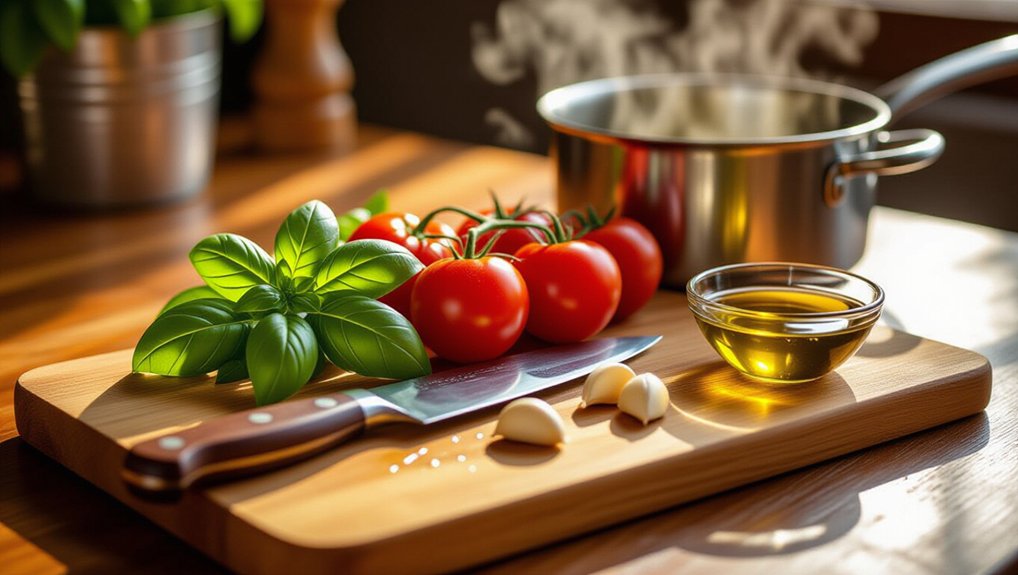
When you’re cooking, precise ingredient measurement and organization set the stage for success.
Sautéing isn’t just a technique; it’s your secret weapon for enhancing flavors.
Plus, think about the artful color contrast on your plate—it makes every dish more appealing and appetizing.
Ingredient Measurement and Organization
Getting your ingredients measured and organized is essential for a smooth cooking experience. This step not only saves time but also helps avoid mistakes.
Here’s how to make it easy:
- Gather all ingredients: Before you start, collect everything you’ll need.
- Measure precisely: Use measuring cups and spoons for accuracy; it makes a difference in flavor.
- Prep in advance: Chop, slice, and dice ingredients beforehand to streamline the cooking process.
- Label containers: If you’re using multiple bowls, label them for quick reference.
- Create a clean workspace: Clear your counter to have ample room for preparation and cooking.
With everything organized, you’ll cook with confidence and enjoy the process much more!
Sautéing for Flavor Development
Sautéing is one of the most effective techniques for enhancing the flavors of your ingredients. This quick cooking method allows you to develop rich, complex flavors while retaining the texture and brightness of your food.
Here’s how to get the most out of sautéing:
- Use the right pan: A wide, heavy skillet ensures even heat distribution.
- Preheat properly: Heat your oil until it shimmers to prevent sticking.
- Don’t overcrowd: Give each ingredient space to brown rather than steam.
- Stir frequently: Keep everything moving to avoid burning and promote even cooking.
- Deglaze for depth: Add a splash of broth or wine after sautéing to lift the flavorful bits from the pan.
Enjoy the delicious results!
Artful Color Contrast
To create visually stunning dishes that appeal to the eye as much as the palate, focus on incorporating a variety of colors in your ingredients. Color not only enhances presentation but also signals different flavors and nutrients.
Here are some tips to achieve artful color contrast:
- Use seasonal vegetables: Bright greens, deep purples, and vibrant reds can elevate any dish.
- Play with garnishes: Fresh herbs or edible flowers add pops of color and freshness.
- Incorporate diverse fruits: Citrus, berries, or tropical fruits can brighten up savory dishes.
- Balance textures: Combine crunchy, soft, and creamy elements alongside colorful ingredients.
- Experiment with sauces: A vibrant sauce can tie together contrasting colors beautifully.
Flavorful Dish Blueprint
Flavorful Dish Recipe
Craft a delicious meal with a perfect balance of ingredients and techniques.
Ingredients
- 1 lb protein (chicken, tofu, etc.)
- 2 cups grains (rice, quinoa, etc.)
- 1 cup mixed vegetables (bell peppers, broccoli, etc.)
- 2 tbsp olive oil
- 1 tsp salt
- 1 tsp pepper
- 1 tsp herbs (basil, thyme, etc.)
- 1 tbsp acid (lemon juice, vinegar, etc.)
Instructions
- Begin by cooking the grains according to package instructions.
- In a skillet, heat olive oil over medium heat, then add the protein. Sear until golden brown.
- Add mixed vegetables and cook until tender.
- Season with salt, pepper, herbs, and acid. Stir well to combine.
- Serve the protein and vegetables over the grains, garnishing with additional herbs if desired.
Taste as You Cook
Tasting as you cook is crucial for crafting the perfect dish. It lets you adjust seasoning and balance flavors on the spot, ensuring your meal turns out just right.
Here are some tips to make the most of this practice:
- Taste early and often
- Use clean utensils for each taste
- Adjust seasoning gradually
- Take notes on what works
- Trust your palate
Importance Of Tasting
As you cook, tasting your food becomes essential for achieving the perfect balance of flavors. It allows you to identify what’s missing, whether it’s a hint of salt, an acid kick, or a touch of sweetness.
By sampling your dish at different stages, you get a sense of how the flavors develop and interact. This practice not only enhances your cooking but also builds your palate over time. You’ll learn to recognize subtle differences and adjust accordingly.
Adjusting Seasoning On-The-Fly
When you cook, adjusting seasoning on-the-fly can make all the difference in achieving a well-balanced dish.
As you sauté, simmer, or roast, take a moment to taste your food regularly. This allows you to identify any flavor gaps early on. If it feels bland, sprinkle in a pinch of salt or a splash of acid like lemon juice or vinegar.
Don’t hesitate to add spices or herbs as you go, but remember: you can always add more, but it’s hard to take away.
Keep a small bowl nearby to mix and test new seasonings before committing. Trust your palate, and let your taste buds guide you to create that perfect flavor harmony in your dish.
Balancing Flavors As You Cook
Balancing flavors while you cook is essential for crafting a dish that excites the palate. Start by tasting your ingredients separately; this helps you understand their unique profiles.
As you cook, keep tasting and adjusting. If a dish feels flat, add a splash of acidity, like lemon juice or vinegar, to brighten it up. On the other hand, if it’s too sharp, a pinch of sugar can mellow those harsh edges.
Don’t forget about seasoning; a sprinkle of salt can enhance and round out flavors. Remember, balance is key—sweet, salty, sour, and umami should play together harmoniously.
Trust your instincts, and don’t hesitate to tweak as you go. Your palate will guide you to delicious results!
Dietary Breakdown Summary
Understanding the dietary breakdown of your meals can elevate your culinary experience, ensuring you enjoy both flavor and nutrition. By being aware of the macronutrients and micronutrients in your food, you can make informed choices that enhance your well-being. Here’s a quick summary to help you navigate your meals:
| Nutrient | Example Sources |
|---|---|
| Carbohydrates | Rice, bread, fruits |
| Proteins | Chicken, beans, tofu |
| Fats | Olive oil, nuts, avocado |
| Vitamins | Spinach, citrus fruits |
| Minerals | Salt, spinach, dairy |
Keep this table handy as you plan your meals. Balancing these elements will not only satisfy your taste buds but also nourish your body effectively. Enjoy the journey of delicious and nutritious eating!
Ignoring Ingredient Freshness
While it might be tempting to overlook ingredient freshness, doing so can significantly impact the taste and quality of your meals. Fresh ingredients not only enhance flavor but also provide better texture and nutritional value.
Here are some reasons to prioritize freshness:
- Flavor Boost: Fresh herbs and veggies bring vibrant flavors that dried or old ingredients can’t match.
- Better Nutrition: Fresh produce retains more vitamins and minerals, making your meals healthier.
- Texture Matters: Crisp greens and firm fruits create a more enjoyable eating experience.
- Enhanced Aroma: Fresh ingredients release enticing aromas that elevate your cooking.
- Visual Appeal: Bright, fresh ingredients make your dishes look more appetizing.
Don’t underestimate the power of freshness—your taste buds will thank you!
Creative Plating Techniques
When you’re plating your dishes, think about swapping in seasonal ingredients to keep things fresh and exciting.
Adding different textures can also elevate your presentation and make your meal more inviting.
Let’s explore some creative techniques that’ll wow your guests and enhance their dining experience.
Seasonal Ingredient Swaps
Seasonal ingredient swaps can elevate your dishes, introducing fresh flavors and textures that reflect the time of year. By embracing what’s in season, you not only enhance taste but also support local agriculture.
Here are some easy swaps you can make:
- Spring: Replace winter squash with fresh asparagus for a vibrant crunch.
- Summer: Swap out broccoli for zucchini to add a light, summery feel.
- Fall: Use sweet potatoes in place of regular potatoes for a sweeter, earthier flavor.
- Winter: Trade fresh herbs for root vegetables, like parsnips, for a heartier dish.
- Year-round: Substitute fresh fruits for frozen ones to brighten your meals.
These adjustments can bring your plates to life and make every bite a celebration of the season!
Texture Modifications for Interest
After you’ve chosen your seasonal ingredients, it’s time to think about how you can create exciting textures on your plate.
Textural contrast adds depth and interest, making your dish more enticing. Here are some techniques to consider:
- Crispy elements: Add fried shallots or toasted nuts for a satisfying crunch.
- Creamy components: Use purees or mousses to provide a smooth, rich contrast.
- Fresh garnishes: Include herbs or microgreens for a burst of freshness.
- Temperature variation: Serve a warm element alongside a chilled one for an intriguing experience.
- Layering: Stack ingredients to create height and visual appeal.
With these tips, you’ll transform your plate into a work of art that delights both the eyes and the palate!
Common Cooking Inquiries
When you’re in the kitchen, you might’ve questions about essential cooking techniques or how to swap ingredients effectively.
Time-saving hacks can also make a big difference in your cooking routine.
Let’s tackle some common inquiries that can elevate your culinary skills.
Essential Cooking Techniques
Mastering a few essential cooking techniques can elevate your culinary skills and transform your meals. Start with chopping—practice your knife skills to ensure uniform pieces that cook evenly.
Next, get comfortable with sautéing; this technique allows you to develop rich flavors quickly. Don’t overlook the importance of seasoning; learn to taste as you go, adjusting spices and herbs for a balanced dish.
Roasting is another key technique; it caramelizes vegetables and proteins, enhancing their natural sweetness.
Finally, understand the basics of simmering and boiling for perfect sauces and stocks.
Ingredient Substitution Tips
Ever found yourself in the middle of a recipe only to realize you’re missing a crucial ingredient? Don’t panic! Many common ingredients can be easily substituted.
If you’re out of eggs, try using a flaxseed meal or applesauce—both work well in baking. For buttermilk, mix regular milk with a splash of vinegar or lemon juice; it’ll sour perfectly.
If you’re short on butter, coconut oil or even unsweetened applesauce can do the trick in most recipes.
Need fresh herbs? Dried herbs can substitute, just use one-third the amount.
Lastly, if you’re missing sugar, honey or maple syrup can sweeten your dish, but adjust the liquid accordingly.
With these tips, you can keep cooking confidently!
Time-Saving Kitchen Hacks
Missing ingredients can throw a wrench in your cooking plans, but don’t let that slow you down. Instead, keep a few time-saving hacks up your sleeve.
First, batch chop vegetables; store them in the fridge for quick access during the week. You can also use a microwave to steam veggies in minutes instead of boiling them.
When you’re in a hurry, try one-pot meals that cut down on cleanup and cooking time.
Invest in a good quality food processor to speed up prep work, and don’t hesitate to repurpose leftovers into new dishes—think stir-fries or soups.
Lastly, set a timer to avoid overcooking; it’s a simple way to ensure your meals are perfect every time. Enjoy cooking!
Savor Every Bite Mindfully
Although it might be easy to rush through a meal, savoring each bite mindfully can transform your dining experience.
Start by eliminating distractions—put away your phone and turn off the TV. Focus on the colors, textures, and aromas of your food.
As you take a bite, chew slowly and pay attention to the flavors dancing on your palate. Notice how each ingredient contributes to the overall taste.
This mindfulness not only enhances your enjoyment but also helps you appreciate your meal’s nutritional value. By doing this, you’ll likely find yourself feeling satisfied with less, reducing overeating.
Practicing mindful eating fosters a deeper connection to your food, making every meal a delightful moment worth cherishing.
Frequently Asked Questions
How Do I Choose the Right Kitchen Tools?
Start by identifying your cooking style and needs. Look for tools that feel comfortable in your hands and suit your recipes. Prioritize quality and versatility, and don’t hesitate to ask for recommendations from experienced cooks.
Can I Cook With Kids Safely?
Yes, you can cook with kids safely! Just supervise closely, use age-appropriate tools, and teach them about kitchen safety. Encourage teamwork, and make it fun—it’s a great way to bond while learning valuable skills.
What Music Pairs Best With Cooking?
Upbeat jazz or lively pop music pairs best with cooking. They keep your energy high and create a fun atmosphere. So, turn on your favorite playlist, and let those culinary vibes inspire your creativity!
How to Handle Cooking Mistakes?
When you make a cooking mistake, don’t panic. Assess what went wrong, adjust your ingredients, and keep going. Embrace the unexpected flavors; sometimes, they lead to delicious surprises you wouldn’t have otherwise created!
What Are Some Food Photography Tips?
Use natural light for vibrant colors, focus on composition for balance, and capture textures up close. Experiment with angles, and don’t forget to style your dish attractively to make it truly appetizing in photos.
Conclusion
Creating delicious food moments is all about the details. By focusing on flavor layering, using fresh herbs and spices, and engaging your senses, you can transform every meal into a memorable experience. Don’t forget to taste as you cook and play with creative plating techniques to elevate your dishes. Embrace mindful eating, savoring every bite, and celebrating the joy of food. With these tips, you’ll make each meal a delightful occasion. Enjoy the journey!